If your drawers won’t close or you have to dig to find your favorite T-shirt, the problem probably isn’t how many clothes you own. It’s how you’re folding them.
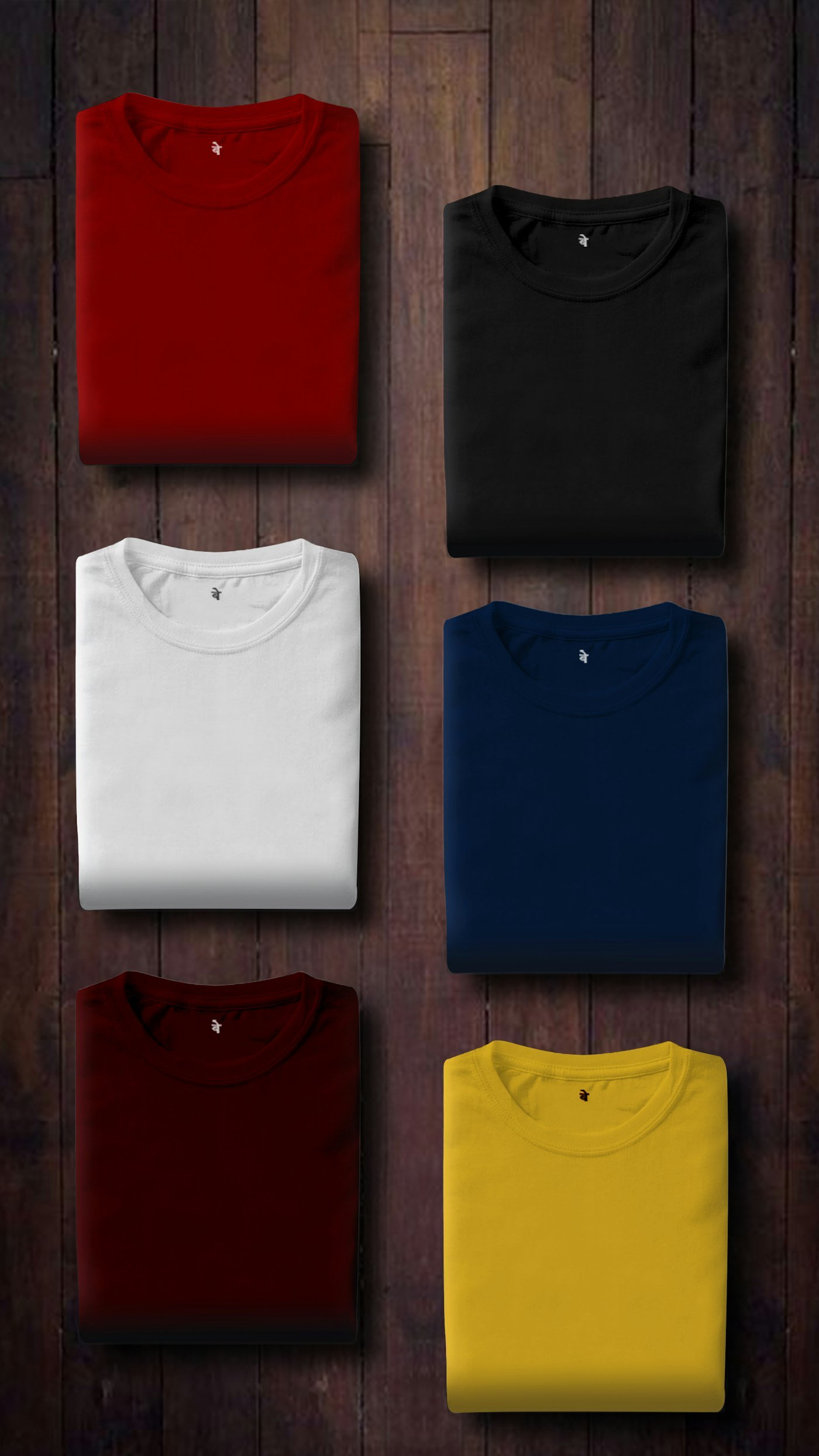
The file-folding method — popularized by organizing expert Marie Kondo — stores clothes standing upright, like files in a cabinet. You can see everything at a glance, and most people fit noticeably more into the same drawer.
⚡ Quick Answer
To fold clothes to save space, fold each item into a small rectangle that can stand up on its own, then store it upright in the drawer instead of stacking. This “file-folding” method fits more clothes, prevents wrinkles and lets you see every item at once.
📋 In This Guide
Why File-Folding Saves So Much Space
| Traditional stacking | File-folding | |
|---|---|---|
| Visibility | Only the top item | Every item at a glance |
| Space | Gaps between piles | Fills the drawer edge to edge |
| Wrinkles | Bottom items get crushed | Less pressure, fewer wrinkles |
| Maintenance | Piles collapse when you pull one out | Pull one out, the rest stay put |
How to Fold a T-Shirt
- Lay the shirt face down and smooth it flat.
- Fold one side in toward the center, then fold the sleeve back so it lies flat.
- Repeat with the other side to make a long rectangle.
- Fold the rectangle in half, then in half or thirds again, until it stands up on its own.
- Place it upright in the drawer, folded edge facing up.
💡 Pro Tip
How to Fold Jeans and Pants
- Fold the jeans in half lengthwise so one leg is on top of the other.
- Fold the crotch triangle in to make a straight rectangle.
- Fold in half from the bottom, then in thirds.
- Stand upright in the drawer or on a shelf divider.
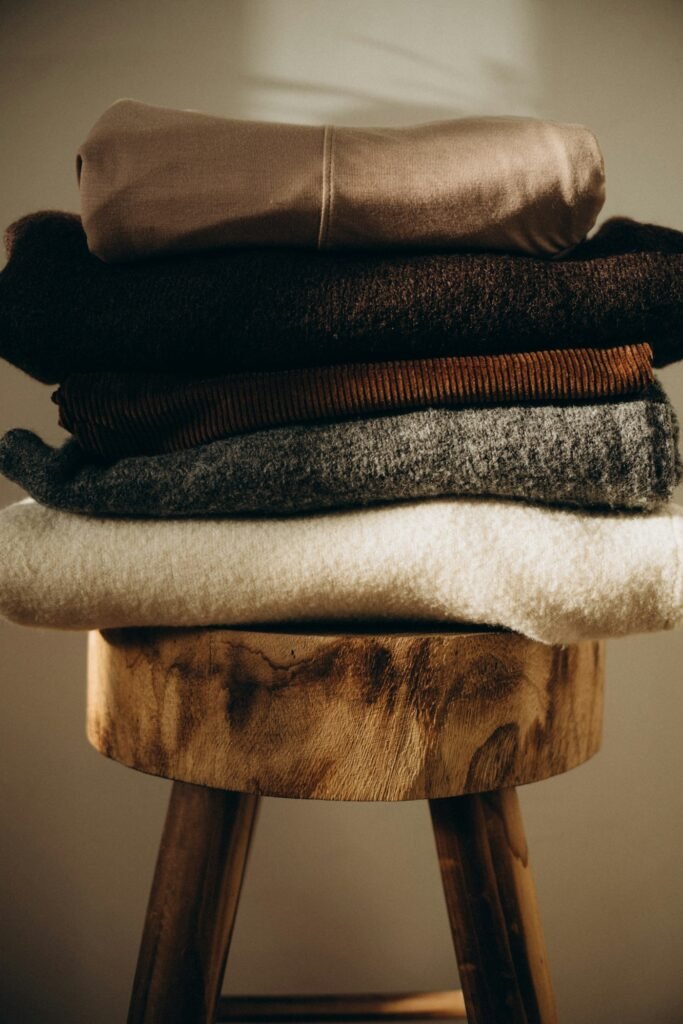
How to Fold Sweaters, Socks and Underwear
Sweaters
Fold the same way as a T-shirt but with fewer folds — bulky knits look best in a looser rectangle. Heavy knits should never be hung, as they stretch out of shape.
Socks
Lay the pair flat on top of each other and fold in halves or thirds. Avoid balling socks — it stretches the elastic.
Underwear
Fold into thirds lengthwise, then roll or fold into a small square. Small drawer dividers or boxes keep them standing.
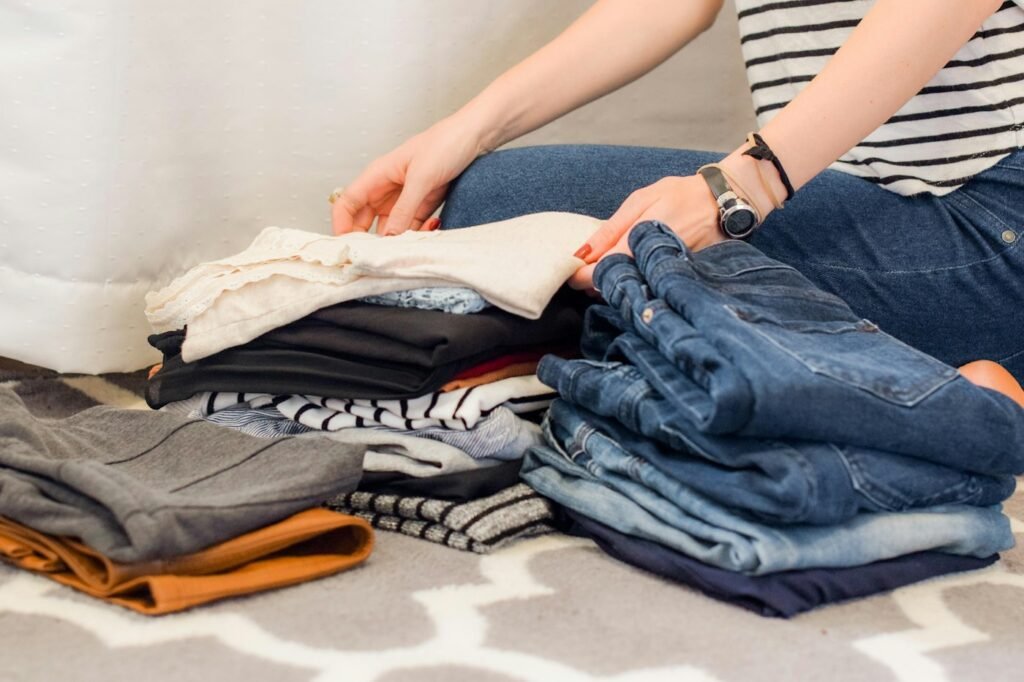
Folding is just one part of a tidy wardrobe. For the full system, read our stylist closet organization tips, then learn how to organize a small closet. If you’re short on drawer space, under-bed storage is a great overflow solution.
Watch: The KonMari Fold
File-Folding vs. Rolling vs. Hanging
| Clothing type | Best method | Why |
|---|---|---|
| T-shirts, tanks | File-fold | Visible, compact |
| Jeans, casual pants | File-fold or hang over a rod | Holds shape |
| Sweaters, knits | Fold loosely | Prevents stretching |
| Dress shirts, blouses | Hang | Avoids wrinkles |
| Leggings, workout clothes | Roll | Fits small spaces |
| Travel packing | Roll | Flexible in a suitcase |
How to Fold Other Tricky Items
Hoodies
Fold the hood flat down the back, fold in the sleeves and fold into thirds. Bulky hoodies often look neatest in a shelf stack rather than a drawer.
Fitted sheets
Tuck the corners into each other, lay flat, fold the elasticated edges in to make a rectangle, then fold into a square. Store each set inside its matching pillowcase.
Leggings
Fold in half lengthwise, fold up into thirds and roll from the waistband down.
Make It a Habit
- Fold straight out of the dryer while items are warm and wrinkle-free.
- Fold into each person’s basket so put-away is quick.
- Keep drawers about 90% full so rows stay upright without crushing.
💡 Pro Tip
Common Folding Mistakes
- Folding damp clothes (they wrinkle and can smell musty).
- Making folds too big for the drawer depth.
- Stacking file-folded clothes flat — they need to stand up.
- Hanging heavy sweaters, which stretches the shoulders.
A Real-Life Example
A college student moving into a dorm had one three-drawer dresser and twice as many clothes as would fit using traditional stacking.
After learning to file-fold T-shirts, leggings and jeans, everything fit — with room to spare. Socks and underwear went into a honeycomb insert, sweaters were folded loosely on the closet shelf and dress shirts stayed on hangers.
The drawers now open smoothly, and every item is visible at a glance, which also made it easier to notice what she didn’t actually need.
✅ Key Takeaways
- File-fold clothes so they stand upright.
- Fold to the height of your drawer.
- Fold knits loosely; hang wrinkle-prone items.
- Use dividers to keep rows standing.
- Fold straight from the dryer.
Frequently Asked Questions
Is rolling or folding clothes better for saving space?
Both save space compared to stacking. File-folding is neater in drawers, while rolling works well in suitcases and deep bins.
What clothes should not be folded?
Delicate fabrics, dresses, blazers, dress shirts and anything that wrinkles easily should be hung.
How do I keep folded clothes from falling over?
Fill drawers so items support each other, or use drawer dividers or small boxes to keep rows standing.
Does file-folding really save space?
For most drawers, yes — upright rows fill the space edge to edge and you can see every item, so less is forgotten and re-bought.
How long does it take to learn file-folding?
Most people get the hang of it after a couple of loads of laundry. After that it’s about as fast as regular folding.
📚 More Bedroom & Closet Guides
-
VIPEK Clothes Rack Review: V5 vs V5C vs V10 vs X3 vs V40C (2026)
-
4 Best Clothes Racks with Covers: Heavy-Duty Portable Closets (2026)
-
7 Best Heavy-Duty Clothes Racks & Freestanding Closet Systems (2026)
-
How to Organize a Small Closet: 10 Tricks to Double Your Space
-
12 Under-Bed Storage Ideas to Reclaim Wasted Bedroom Space
-
How to Organize Your Closet Like a Professional Stylist
📌 Start here: Closet Organization Tips From a Stylist · See all Bedroom & Closet guides →
✍️ Written by the Home Hacks Collective team — practical, renter-friendly organizing ideas for real homes. Have a question? Drop it in the comments below.