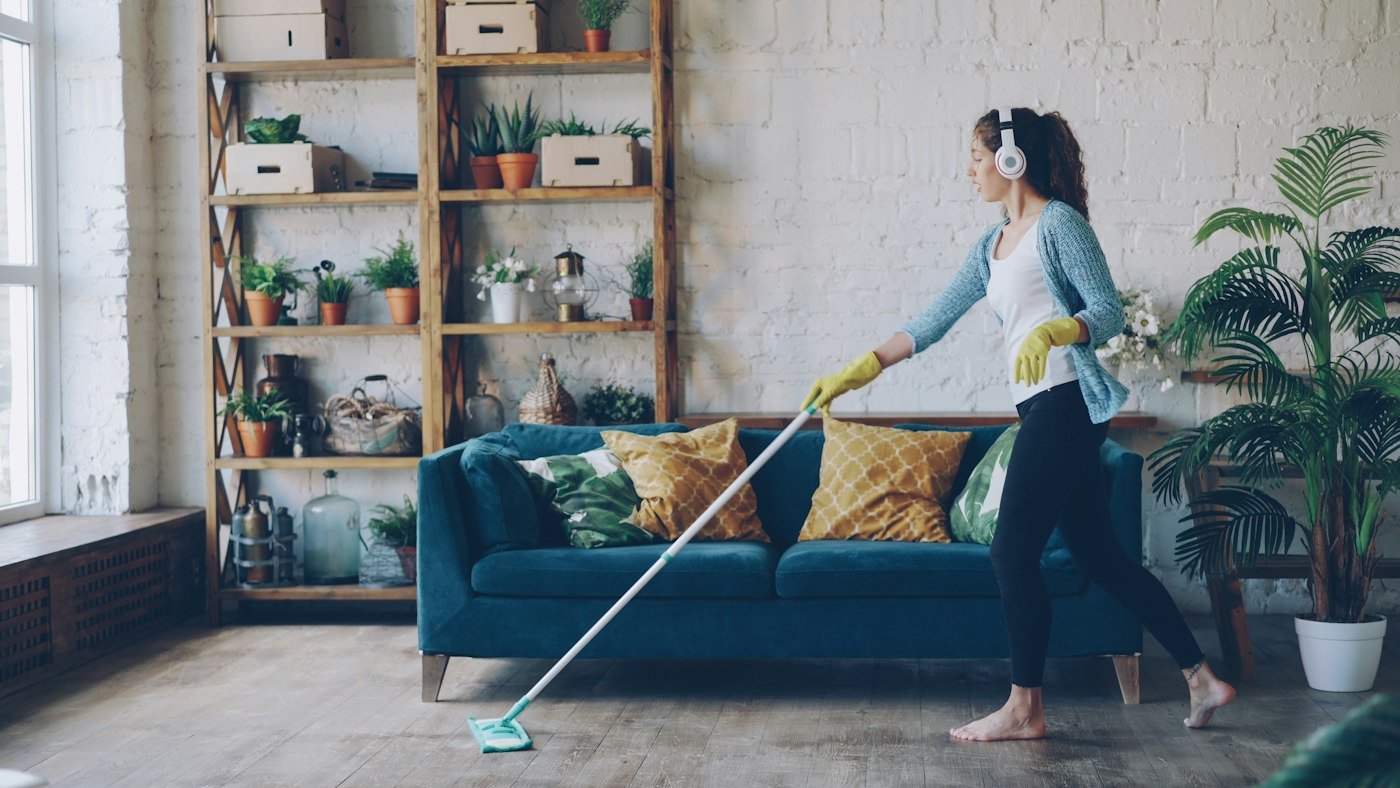
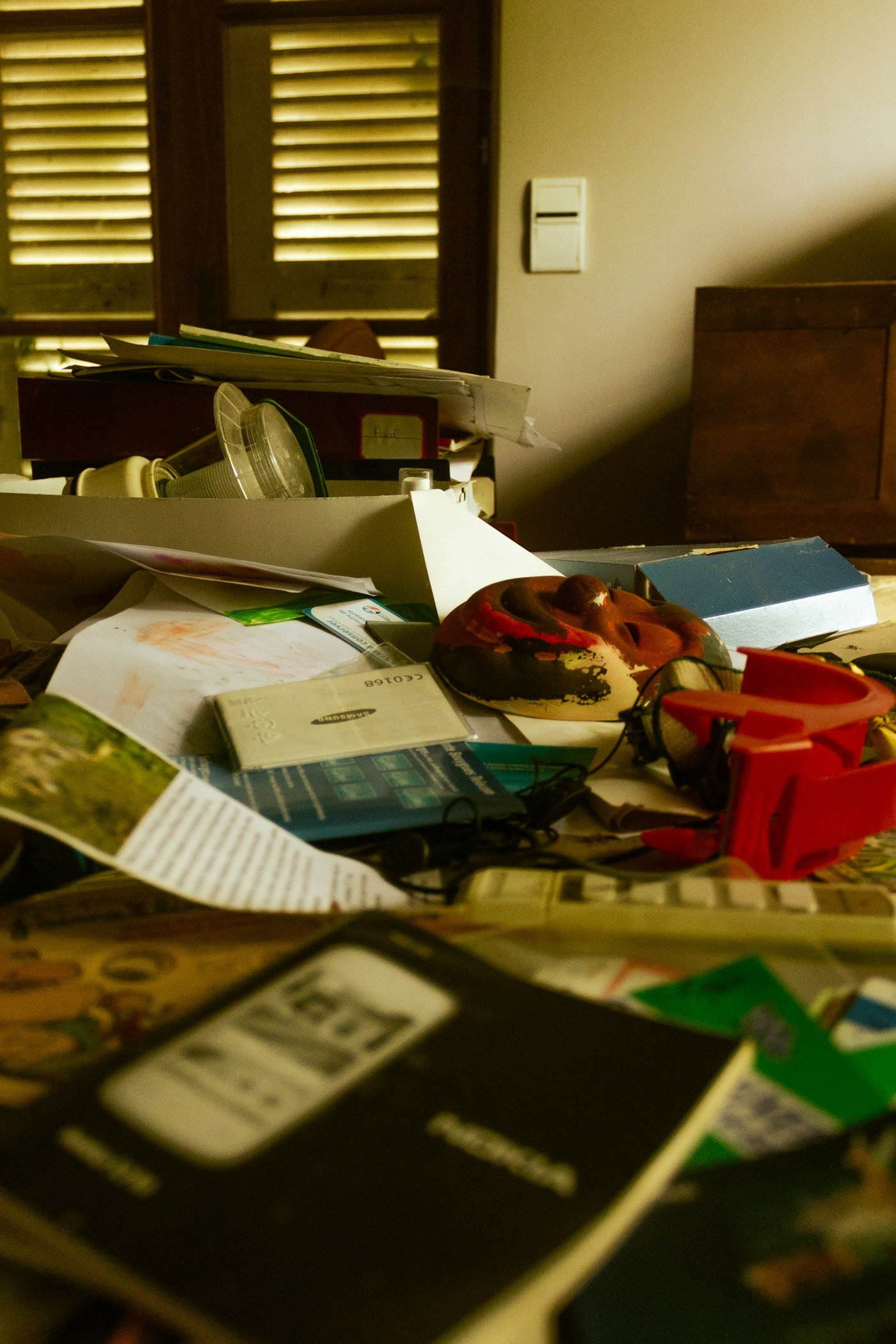
You spent all Saturday cleaning. By Monday evening, the counters are covered again, shoes are scattered by the door, and there’s a mysterious pile on the dining chair. Sound familiar?
Here’s the truth most cleaning advice skips: a house that gets messy fast usually isn’t a discipline problem — it’s a systems problem. Once you fix the system, the mess slows down dramatically.
📋 In This Guide
The Short Answer
⚡ Quick Answer
Your house gets messy fast because you likely own more items than your storage can hold, everyday things don’t have a clear home, and there’s no daily habit to put things back. Fix those three and the mess slows down — no extra cleaning time required.
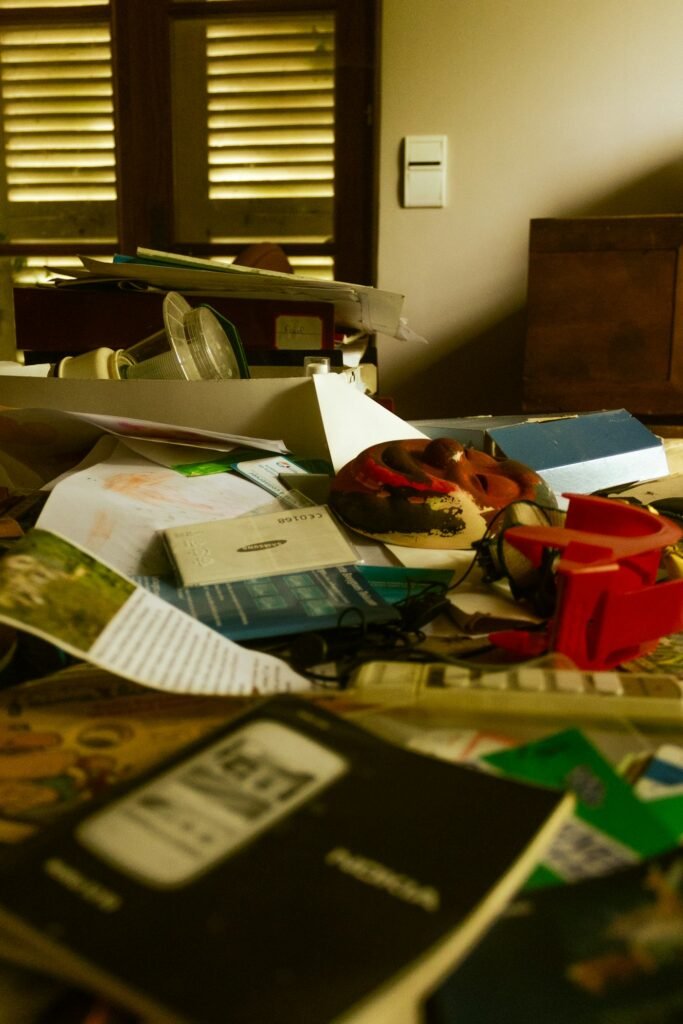
7 Reasons Your House Gets Messy So Fast
1. You have more stuff than storage
Every home has a “capacity.” When you own more than your cabinets, shelves and drawers can hold, the extra lives on surfaces. No amount of tidying fixes a math problem.
✅ The Fix
2. Things don’t have a “home”
If you have to think about where something goes, it ends up on the nearest flat surface. Keys, mail, chargers and kids’ backpacks are the usual suspects.
✅ The Fix
3. Your storage is too hard to use
Lids, stacked bins and high shelves add friction. If putting something away takes two steps, people (especially kids) simply won’t do it.
✅ The Fix
4. There’s no daily reset
Mess accumulates quietly — a cup here, a sweater there. Without a regular reset, small piles snowball into a weekend project.
✅ The Fix
5. Everyone isn’t on the same page
One person can’t keep up with a whole household. If the system only lives in your head, it will break.
✅ The Fix
6. Paper piles up
Mail, receipts, school forms and flyers are the fastest-growing clutter in most homes.
✅ The Fix
7. “Drop zones” are missing
Entryways and kitchen islands become dumping grounds because there’s nowhere else to put things down when you walk in.
✅ The Fix
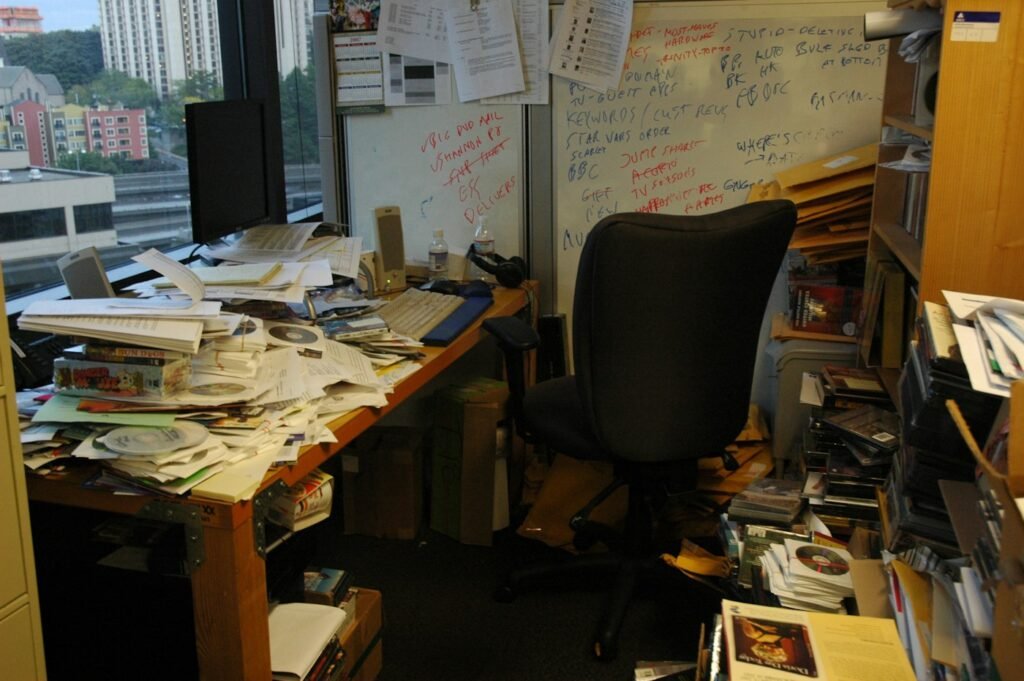
A Quick Self-Check
Walk through your home and ask these questions. Every “yes” points to one of the reasons above:
- Is there a surface you clear more than twice a week?
- Are there items you regularly “can’t find”?
- Are any drawers or closets too full to close easily?
- Does your family ask you where things go?
- Do you have a pile of paper you keep meaning to deal with?
If you answered yes to three or more, start with decluttering and a daily reset — they solve the majority of “messy house” problems.

Watch: Why Your Home Is Always Messy
The Science of Clutter (in Plain English)
Clutter isn’t just a visual problem. Every item in view competes for your attention, which is why a messy room can feel tiring even when you’re sitting still. Clearing surfaces reduces that background noise — and makes it easier to notice the next thing that’s out of place before it becomes a pile.
Room-by-Room Hot Spots
| Room | Typical hot spot | Quick fix |
|---|---|---|
| Entry | Shoes, bags, mail | Hooks, shoe rack and a mail tray |
| Kitchen | Island and counters | Daily counter clear-off |
| Living room | Coffee table, sofa | Tray for remotes, basket for blankets |
| Bedroom | The “chair” of clothes | Hamper plus hooks for re-wear items |
| Home office | Desk surface | 2-minute end-of-day shutdown |
A 7-Day Plan to Slow Down the Mess
- Day 1: Clear one hot spot completely.
- Day 2: Give the five most-misplaced items a permanent home.
- Day 3: Set up a landing station by the door.
- Day 4: Start the evening reset.
- Day 5: Fill one donation bag.
- Day 6: Hold a 10-minute family meeting about the new homes.
- Day 7: Review: what still piles up? Repeat Day 2 for it.
💡 Pro Tip
When It’s More Than a Systems Problem
If clutter is causing stress, conflict or safety issues, or if letting go of items feels overwhelming, it’s okay to ask for help — a professional organizer, a friend or, if it’s affecting your well-being, a counselor or doctor.
Frequently Asked Questions
Is it normal for a house to get messy quickly?
Yes, especially with kids, pets or a small space. The goal isn’t a home that never gets messy — it’s one that can be reset in 15 minutes.
How do I stop my house from getting messy again?
Declutter so your storage isn’t overflowing, give every item a home, and do a short daily reset. Those three habits prevent most recurring mess.
Why does my house feel cluttered even when it’s clean?
Too many items on display — decor, small appliances, open shelving — creates visual clutter. Clear surfaces and store items behind doors to make rooms feel calmer.
How do I keep my house clean with kids?
Lower your expectations for perfection, use open bins kids can reach, and do a quick family reset every evening.
Why does my house feel messy even after cleaning?
Usually because surfaces still hold too many items. Clear counters and tables of everything that isn’t used daily.
📚 Related Guides
📌 Start here: How to Declutter Your Home Room by Room · See all Quick Resets & Habits guides →
✍️ Written by the Home Hacks Collective team — practical, renter-friendly organizing ideas for real homes. Have a question? Drop it in the comments below.